
Inadvertently, we follow-up on June’s informal 70s-focused What We’re Watching column with a trio of films from the 1980s. With a historical epic, a star-fueled pop hit, and a martial arts film featured, there’s something here for everyone. Continue reading below:
The Last Emperor (1987)
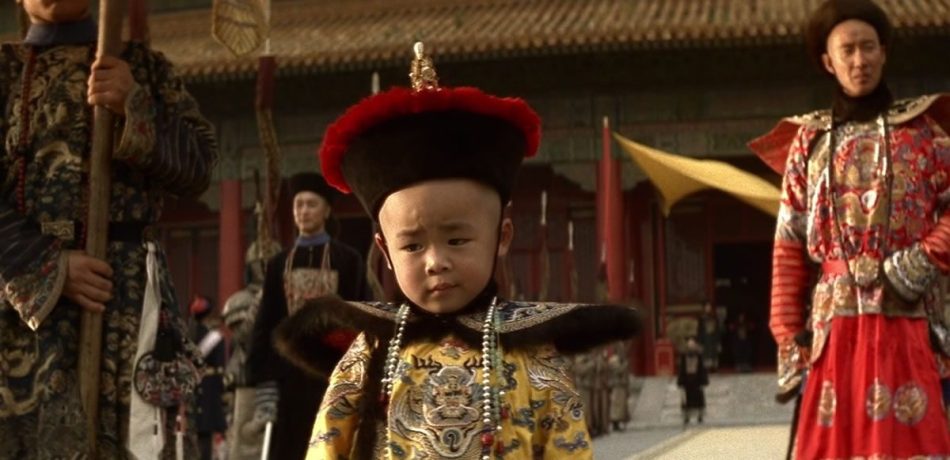
 I remember learning about Puyi (John Lone) in high school history class, his significance coming from the fact that he was the last emperor of China. In American schools, concepts like emperors, coups, and communism seem almost fictional, most students not keen to follow international politics or macroeconomics. But as you graduate and enter adulthood, coups, slides into fascism, and changes in geopolitical climate are observed firsthand and later become part of that history that inevitably becomes so distant for future generations.
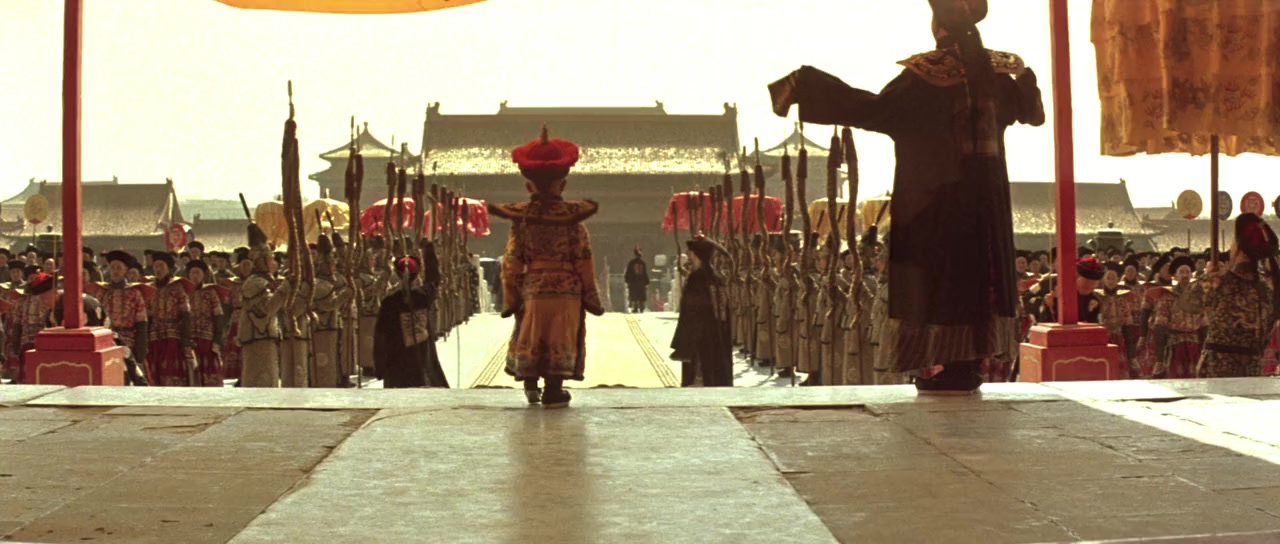
Watching The Last Emperor is a glimpse into the past, the film doing an admirable job of expressing the grandiosity of China’s Forbidden City and the immense gravity of Puyi becoming emperor at the age of two. The film – and Puyi himself as a child – toys with Puyi’s power and presence as he acts silly and forces his subjects to follow his every whimsical move. Puyi is unexpectedly abdicated from being emperor at the age of six and becomes destined to be a figurehead, and later a political pawn, for the remainder of his life. He yearns to experience life outside of the Forbidden City and is not allowed to leave until he is expelled as an adult. The Last Emperor shows Puyi’s unreadiness to both becoming the emperor and becoming a common man, and there’s tragedy, loneliness, and even absurdity to his story. How else would this quote from Puyi’s personal life have arisen? “I’m Puyi, the last Emperor of the Qing dynasty. I’m staying with relatives and can’t find my way home.”
The Last Emperor portrays Puyi favorably, though his years as emperor are known to be cruel and arrogant stemming from his inability to be parented effectively as the emperor and his childish impulses. However, by most accounts, Puyi became a kind and humble man in his later years, having to learn how to take care of himself for the first time and become aware of life outside the Forbidden City. Puyi’s story is one I can’t help but be fascinated by and Bernardo Bertolucci’s The Last Emperor is a compelling starting point for learning more about China’s last emperor. – Alex Sitaras
Earth Girls Are Easy (1988)
 Earth Girls Are Easy is pure pop frothiness and is all the more delightful for it. Directed by Julien Temple, who made his name with colorful music videos, Earth Girls sees Temple taking his Technicolor MTV aesthetic from Absolute Beginners just a few years earlier and transplanting it into Southern California, one that has only existed in movies and MTV from that era. Geena Davis plays a nail technician whose backyard pool is invaded by three aliens (played by Jeff Goldblum, Jim Carrey and Damon Wayans) who, when their brightly colored fur is shaved away, turn out to be total hunks. The aliens quickly learn language from absorbing what they see on TV and seamlessly blend in with the shallow people around them. They serve as the perfect distraction for Davis’ character, who has recently caught her boyfriend attempting to cheat on her.
The satire in Earth Girls Are Easy is light but still sharp and manages to celebrate the consumer-driven culture as well as embody it. Geena Davis manages to pull off the delicate act of belonging in this silly world while being a sympathetic character. It’s also jarring but fun to see Jeff Goldblum reunited with his The Fly costar as one of the aforementioned aliens, playing a goofy but good-hearted himbo alien so well. Earth Girls Are Easy feels like it belongs in the same universe as the Max Headroom show of early MTV in its specific heightened reality influenced by pop art, which almost comes off as self-satirical. It is a lot to take in for someone unfamiliar with or generally loath to this type of style, but for those who are tuned into it, it’s a bracing shot of pop goodness. – Eugene Kang
Best of the Best (1989)
 It’s easy to dismiss Best of the Best as one of the many martial arts movies that came out during the 80’s and 90’s. It is overshadowed by bigger names such as Bloodsport or The Karate Kid and some have even dismissed this movie as a Rocky ripoff. Much of this criticism is merited. Best of the Best follows an American team put together by James Earl Jones to compete in a Tae Kwon Do tournament against a top team from Korea, the birthplace of Tae Kwon Do. On top of all the tensions of training, the competition has personal stakes for Tommy (Phillip Rhee), the one Korean-American, who is seeking revenge against one of the Korea team’s competitors, who killed Tommy’s brother in a competition years ago. The overall movie is predictable in terms of its story beats such as a racist competitor (Chris Penn) fighting against Tommy but then later becoming ultimately one of his biggest champions. The movie also centers a White man (Eric Roberts) rather than the real main character Tommy, most likely out of fear that audiences wouldn’t respond to an Asian lead.
But some aspects actually make Best of the Best stand out. Despite the movie trying to center on Eric Roberts, it is Phillip Rhee who stands out the most. The movie was based on his experiences in professional Tae Kwon Do. It also becomes abundantly clear that he is not only the best fighter in the American team, he is the only one who can fight. Period. Best of the Best was also filmed in Korea and with actual Korean actors portraying the Korean team. This movie suffered from the limited release that Fox Studios gave it as well as overall negative critical reception. But representations of Korean-Americans were so few that seeing Rhee play such a compelling lead with incredible athletic prowess is a powerful and refreshing rebuke to the overwhelming Whiteness of American martial arts films and cinema in general. – Eugene Kang
Discover more from Cineccentric
Subscribe to get the latest posts sent to your email.
 Cineccentric
0 comments on “What We’re Watching – July 2024”