

Football is back and so is our Retrospective Roundtable series. This month, we celebrate sports-themed films with a selection of titles that, much like championship games, shouldn’t be missed. Keep reading below:
Hoop Dreams (1994)
 What does it take to become a professional athlete? Steve James’ Hoop Dreams chronicles William Gates’ and Arthur Agee’s aspirations to become NBA players. Although Hoop Dreams was conceived as a short film, James realized that there was a much larger story to be told and the film grew into a near 3 hour examination of youth in America as well as a commentary on race and socioeconomics. The film would also become pioneering for its use of digital photography at a time when film still reigned supreme.
With the challenges faced by Gates and Agee, Hoop Dreams is earnest in examining the boy’s experiences and the impacts of external factors on their dreams. If perseverance and genuineness were sufficient to achieve one’s dreams, Gates and Agee would both have become NBA players and undoubtedly have performed at the top echelon of even that exclusive group. What Hoop Dreams shows is a very different outcome as the boys exhibit grace when life doesn’t turn out as planned. The film is an immensely important coming-of-age film in that respect, and balances idealism and realism without coming across as cynical or pessimistic. Life just is sometimes and Hoop Dreams knows it, and isn’t dissuaded by it. Gates and Agee would both go on to have a fulfilling future, and the film’s success led to Agee’s creation of the Arthur Agee Jr Role Model Foundation, helping to promote higher education for inner-city youth. – Alex Sitaras
Moneyball (2011)
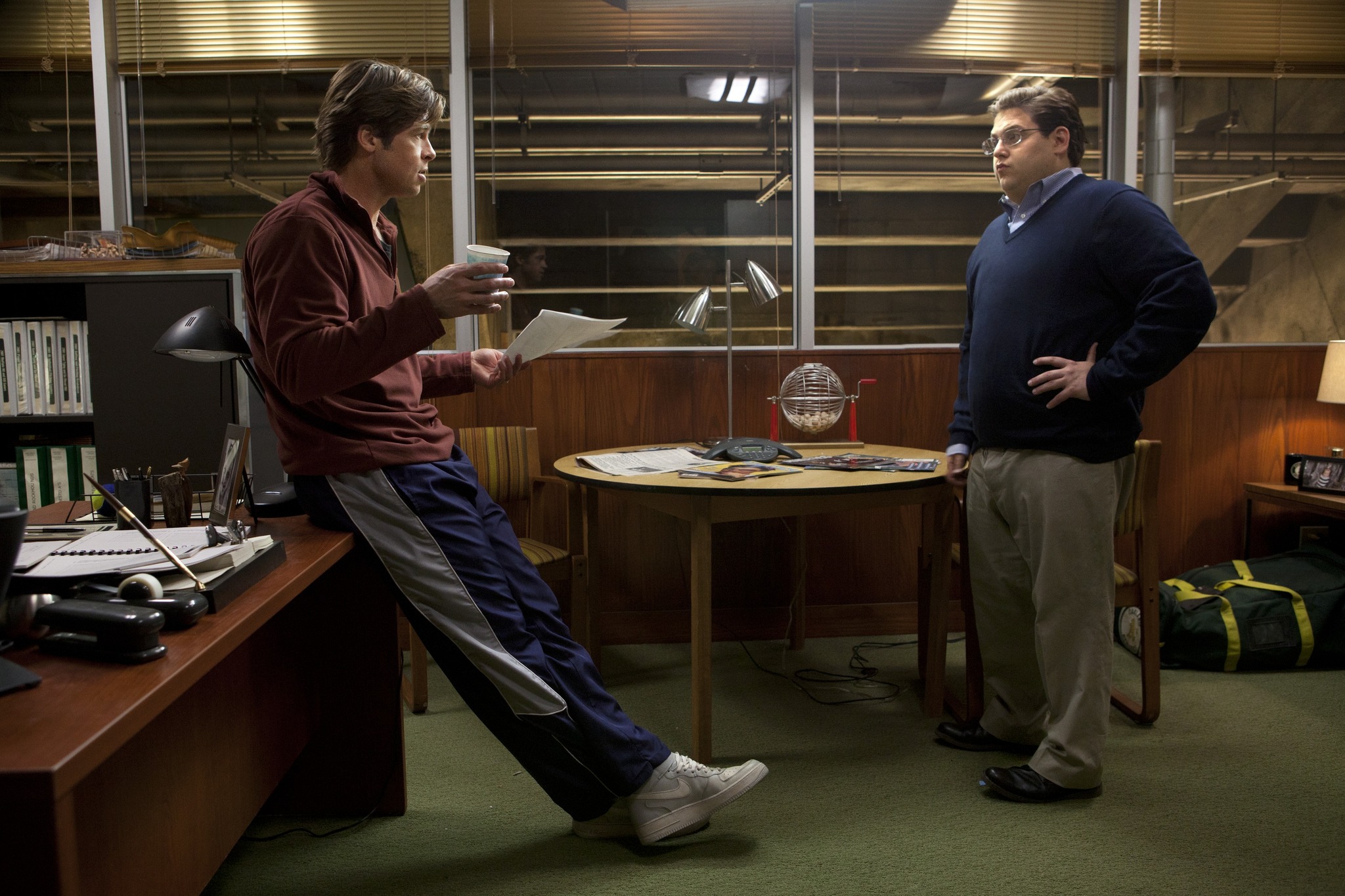 “How can you not be romantic about baseball?”
There is magic to Moneyball. A lot of it is in score, particularly This Will Destroy You’s ‘The Mighty Rio Grande’, which perfectly matches the aura and spirit of the game. The rising notes as Scott Hatteberg (Chris Pratt) hits a walk-off home run and the emotional release of Billy Beane (Brad Pitt) and Peter Brand’s (Jonah Hill) mad science approach to the game hit like a ton of bricks every time. This is an underdog story about the 2002 Oakland Athletics who, after losing three star players to free agency, are facing an uphill battle to replace them on a shoestring budget. It requires some out-of-the-box thinking and in steps Peter Brand who sees the game and roster building differently, finding it to be more of a math equation than an actual matter of individual skill-sets and styles. It was, at the time, a revolutionary approach that was etched into baseball history by the Athletics’ success that season, the novel by Michael Lewis, and this film directed by Bennett Miller.
It does not tread too far off the quintessential sports movie tropes, layering in backstory about Beane’s own playing days and his current attempts to co-parent his daughter, all while he tries to figure out how to build a winning team. It takes liberties with the story to make it a bit more emotional and leaves out some key, talented players who were retained from the prior year’s team. But, even as it hits familiar notes and editorializes itself, there is a formal brilliance to Moneyball. Miller is in control of every bit, while Brad Pitt gives a laid back and confident performance that has a certain aura to it that elevates the picture at every turn, and the script from Steve Zaillian and Aaron Sorkin is the kind of confident and focused writing that makes a talky film like Moneyball into a truly riveting experience. It is as much a story of this unconventional roster building as it is a celebration of the game, of what it means, and of the odd quirks that seem to only exist in baseball that make it so beautiful. These two men may be changing the game, but they are reverential about the game they are changing and the film, too, takes time to just sit back and watch the magic unfold.
There is a great supporting cast, especially the late, great Philip Seymour Hoffman as the manager Art Howe. Hill has rarely been better, capturing the nervous and antsy nature of Peter early on, which sheds away into pure passion when he and Beane first discuss this new philosophy in a parking garage meeting. It is this passion, the way the film and its characters speak about the game, and the film’s approach to the subject that comes to elevate Moneyball above similar sports films. It is a celebration of baseball and its nuances, but it is also a film that mirrors not only baseball’s spirit but its ability to represent life. The ups, downs, and the little moments that can mean so much in the long run. It is a perfect marriage between these higher ideals and the subject matter that so easily grabs and moves the viewer that we hardly notice nor mind that we are being manipulated. Moneyball is pure cinematic magic, filled with emotion, thrills, and laughs, while standing, to me, as the best sports film of all-time. – Kevin Jones
Senna (2012)
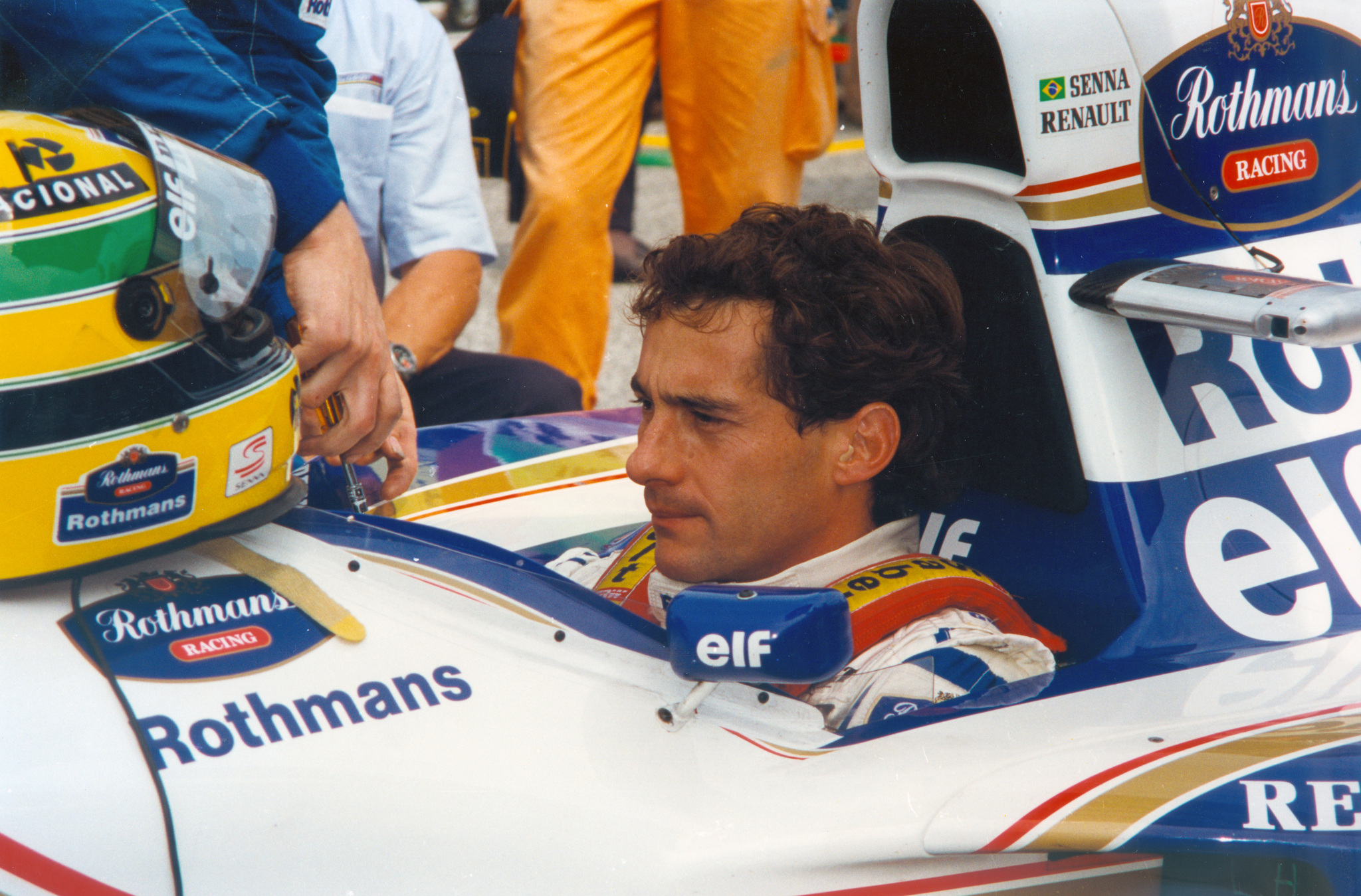
Senna is one of the best sports and documentary films, focusing on arguably one of Formula One’s best drivers and the challenges within the sport.
Admittedly, I am not a big fan of Formula One, but you do not have to be to enjoy this film. The film’s director, Asif Kapadia, knew little about the film’s subject, Ayrton Senna and the sport, which was the producers’ intention, so Kapadia had no bias in reviewing the material. The documentary is compiled entirely of stock footage, with the film’s structure following a narrative rather than stating opinions and events, resulting in a captivating watch. Ayrton Senna’s final race in San Marino is so well-edited from the stock footage that you will feel the tension like you’re watching a dramatic film. Senna is wonderfully structured in that it generates a breadth of emotions throughout its runtime and makes a lasting impact. – Ian Floodgate
The Iron Claw (2023)
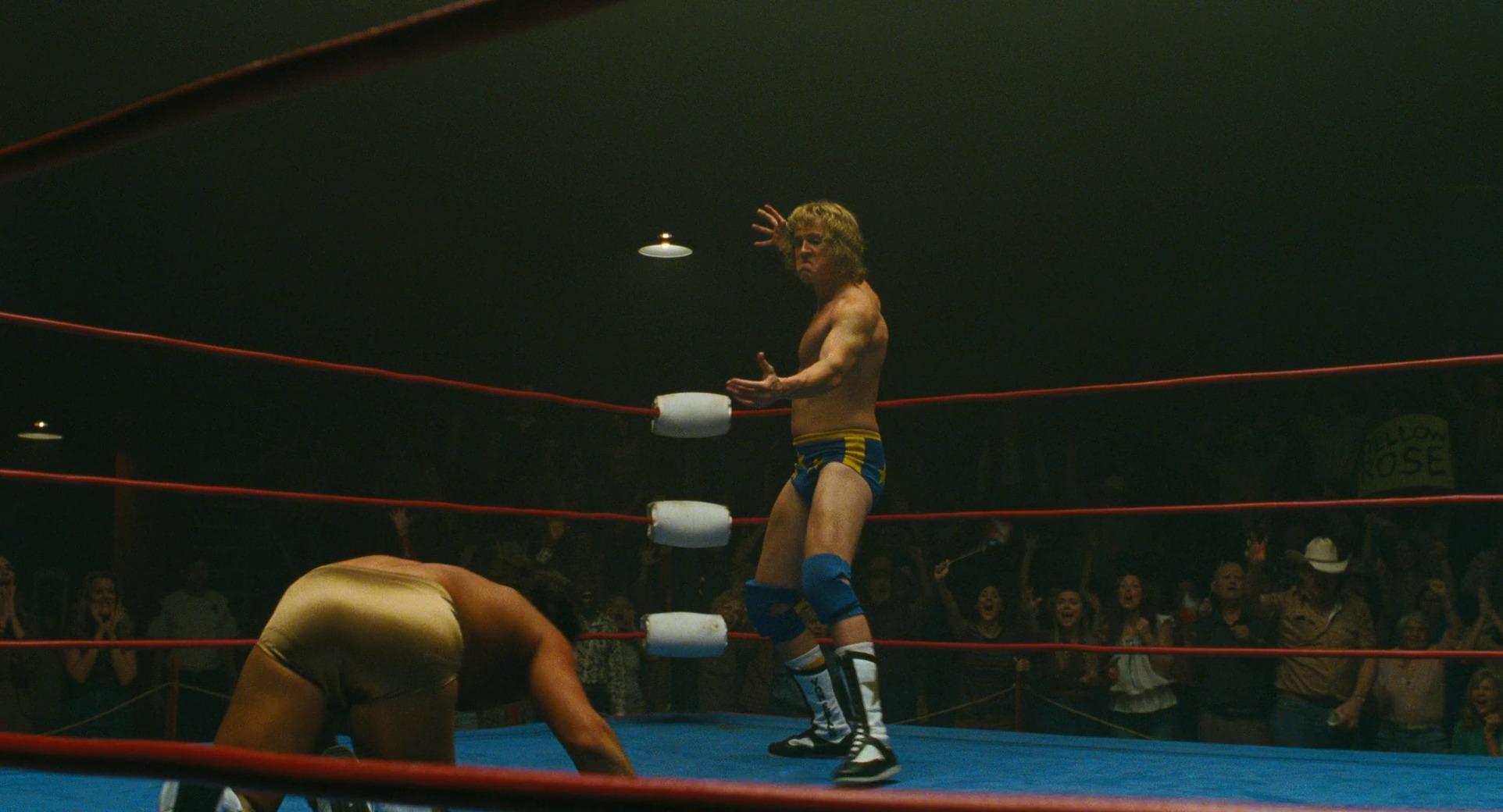 The overlap between tearjerker films and sports dramas is typically nil. The Iron Claw is the exception. The film follows the Von Erich family, a wrestling family believed to have been under a curse due to the tragic circumstances surrounding the family. Jack “Fritz” Von Erich (Holt McCallany), a retired professional wrestler, trains his children to follow in his footsteps and hopefully even surpass his accomplishments in the ring. The Iron Claw is led by Zac Efron, Jeremy Allen White, and Harris Dickinson, starring as Kevin, Kerry, and David, respectively. Kevin becomes the oldest of the survived sons following the childhood death of Jack Jr. and is the emotional core of his family. Fritz is the stereotypical ‘macho man’ and doesn’t believe in talking about emotions with his son. This possibly contributed to how the “curse” manifested itself through the Von Erich boys.
The Iron Claw is memorable for the camaraderie of the brothers, who could relate to each other in their shared experiences of intense workouts, crushing blows in the ring, and, eventually, loss. Though not perfect, the Von Erich family is paid homage to within Sean Durkin’s film and The Iron Claw becomes a deeply humanistic film with a final scene destined to bring to tears even the most steely of viewers.
Discover more from Cineccentric
Subscribe to get the latest posts sent to your email.
 Cineccentric
0 comments on “Sports-Themed Films”