
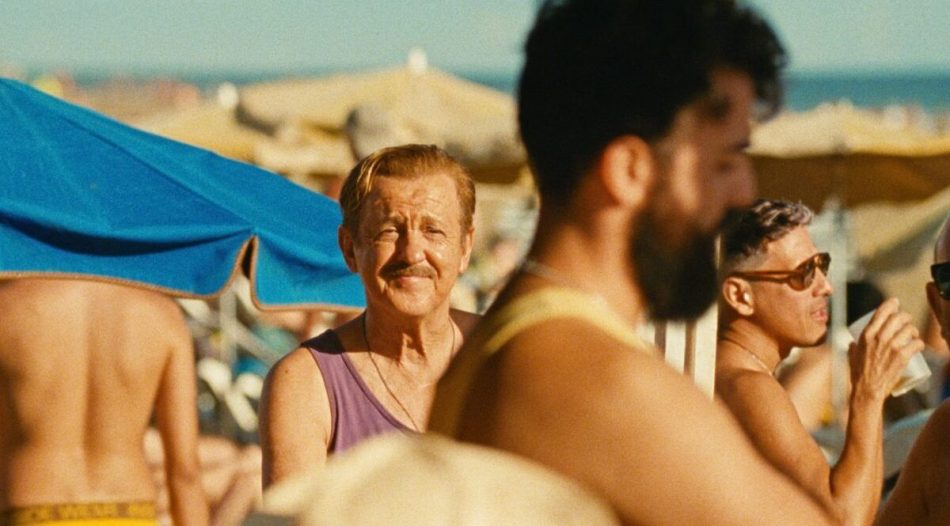
From an outsider’s, and possibly especially an American, point of view, Spain may look like an LGBTQ+ haven with its equal marriage and adoption rights, a groundbreaking self-identification law established in 2023, and its many queer communities. One of the letters, most well-known, lends its name to Jose Mari Goenaga and Aitor Arregi‘s bittersweet character sketch. Maspalomas is particularly popular with white, gay, middle-class men – such as the elderly main character Vicente (an inhibited José Ramón Soroiz) for its bustling gay beach life and many cruising spots. Both are explored in the film’s first moments, which frankly show Vicente having casual sex with a stranger before chilling at the sun-drenched ocean side.
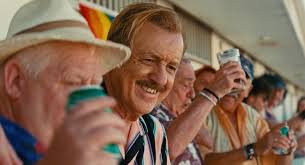
These sun-clad, carefree scenes feel like nostalgia in hindsight, as Vicente’s physical condition, and thus retirement life, takes an unexpected turn for the much worse. After a serious health scare, he ends up in hospital with a jovial but clueless age-mate whose comments about a young nurse make clear that both men have disparate sexual preferences. This wouldn’t matter much if his medical issues wouldn’t force Vicente to return from his self-determined and rather self-centered life on Gran Canaria to a retirement home close to his estranged daughter (Nagore Aranburu) in San Sebastián. Though the scenic seaside town holding the eponymous film festival where Goenaga and Arregi’s film just had its premiere, is hardly a hell-hole.
Still, for the protagonist, the not-quite-voluntary move marks a major shift in social surroundings, physical confidence, and emotional connection. Stark changes in mood, setting, and make-up mark this secretive but seismic shift. In the prologue at the beach, Vicente looked vivid and tanned, moving leisurely through the bright, open landscape. Lush colors and propulsive electronic pop music contrast with the pale light of the hospital and later his daughter’s place. Shots of walls and cramped interiors underline the oppressive air of these enclosed spaces. Within this bourgeois, conservative world, a pale and much older-looking Vicente feels emotionally and mentally trapped. So much so that he hides his sexual orientation, which he lived very openly and actively before.
This move back into the closet is an equally overlooked and relevant theme in an era of alarming reactionary pushbacks chopping away at the rights of queer people. While the political parallels remain subtle – arguably too much so – they are also impossible to ignore. Reconnecting with his daughter forces Vicente to face a past and a version of himself he thought he had left behind long ago. This twisted family bond presents another counterpoint to his intense but fleeting encounters at Maspalomas cruising spots and clubs. While the plot grants Aranburu’s character less space and sympathy, she still lends a quiet poise to a rather thankless part. Marked by unresolved reproaches, their relationship anchors the unspectacular story.
Its slow pacing and lack of dramatic events also uncovers the discreet encroachments of shame, society’s discomfort, and even practical dependency that push people back into the closet. Or behind any mask they have to put on to be tolerated rather than accepted. The family strife gestures towards the personal and sociopolitical history behind many elderly queer people’s isolation. Light and shadow, space and constraints, warmth and cold, regulated institutional rhythm and leisure time create the underlying tension. What undermines both its personal drama and social relevance is the protagonist’s ample privilege. Unwillingly, this wistful tale of fragile victories and lasting resentment also serves as a bitter reminder that money makes even closets more comfortable.
Discover more from Cineccentric
Subscribe to get the latest posts sent to your email.
 Cineccentric
0 comments on “Maspalomas ★★½”