
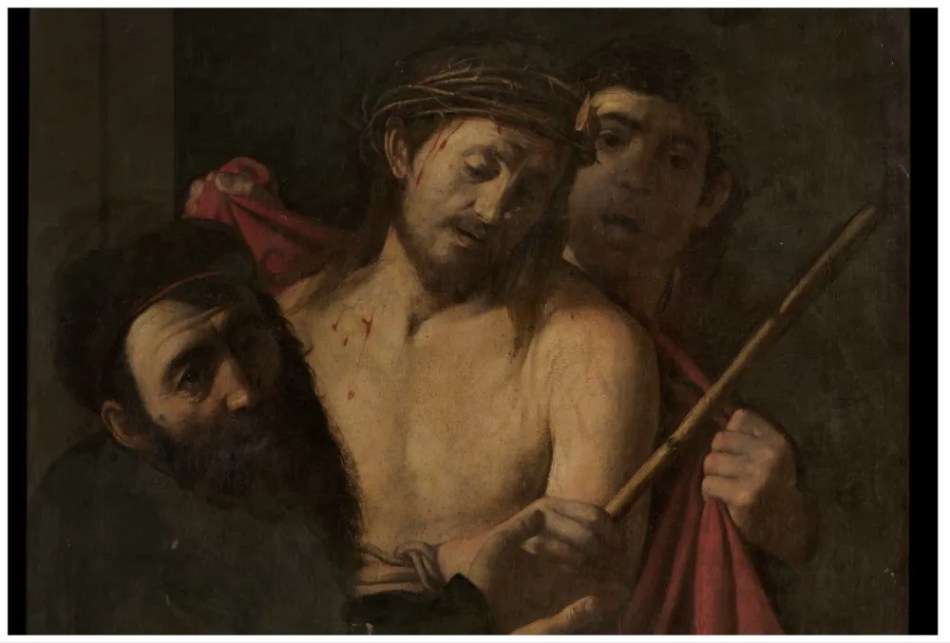
Caravaggio has become a rockstar of painting, comments one of the art experts hunting after a formerly unknown work by the titular rogue painter in Álvaro Longoria‘s sleek documentary. Its fascination with the titular character’s trademark style of dramatic lighting, dark color palette, and agitated facial expressions is palpable in more than one way on screen. The latter is turned into a foil for copycat Caravaggio aesthetics in a documentarian treasure hunt for a family heirloom of unprecedented worth. The premise is simple, yet electrifying: Mercedes Méndez, an elderly member of the Pérez de Castro family, wants to downsize her vast household.
One of the paintings to be sold that used to hang in her home for generations, is “Ecce Homo”, supposedly by a scholar of Caravaggio’s immensely influential style. The Madrid auction house Ansorena prices the work set to be auctioned in April 2021 at a meager 1,500 Euros. But when antique dealers and art historians spot it in the catalogue, whispers begin that it may be a lost Caravaggio. From restoration to attribution, from clandestine expert meetings to international offers, Longoria tracks the escalating stakes. Charting the journey of the coveted painting, long “sleeping” in a family home, the mix of exposition and talking-head interviews does little to probe into the interplay of prestige, money, and belief.
The unfolding narrative becomes as much about the privileged protagonists’ shared idea of art as conventionally beautiful, rare, and authentic as about how truth is outweighed by market value. The question of authenticity fades out of sight as the newly gained nimbus of “Ecce Homo” becomes as good as a signature by Caravaggio himself. After all, value depends largely upon what potential buyers think is valuable. If enough people are willing to pay a fortune for it, does it matter if the work actually stems from the brush of a master? Though never explored properly, the underlying question reveals some parallels to Antoine Vitknie‘s art documentary The Savior for Sale.
Vitkine’s film followed the discovery of another supposed sleeper by Leonardo da Vinci which was purchased by crazy rich Saudi crown prince Mohammed bin Salman for a staggering 450 million dollars. Along with writers Ana Barcos and Marisa Lafuente, the director frames his real‐world story with the pacing and tension of a thriller. There are dramatic pauses, uncertainty over experts’ judgments, and the simmering conflict between familial affection and speculative value. Too keen on telling a classical tale of art adventure, the story only rarely avoids easy answers: Who is allowed to certify authenticity? How opaque and fraudulent is the art market? What happens when a work’s fame is born from rumor more than authenticity?
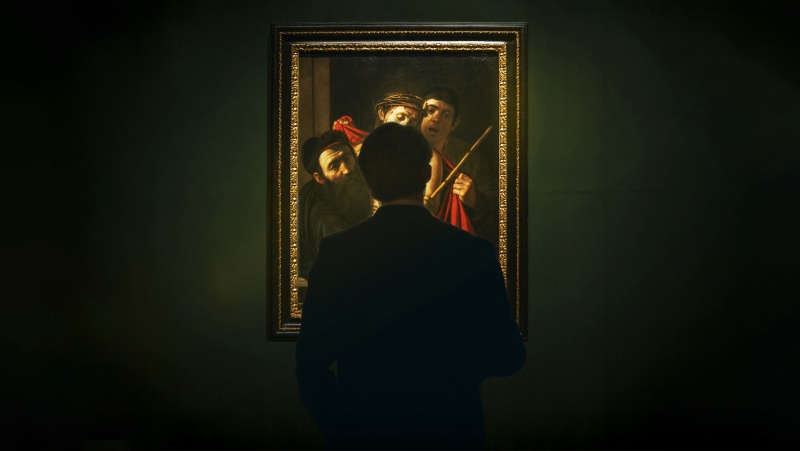
Visuals and form lean into the subject matter to the point of self-obfuscation. Cinematography by Hernán Pérez and Fiorela Gianuzzi revels in chiaroscuro and sharp shadows, both literally and metaphorically. Experts sit in dimly lit rooms; Mercedes Méndez in her dark-ish family home – even museums seem to have flunked the electricity bill. Similarly, most of the market forces and deals going on remain obscured. Score and sound design evoke a mood of mystery, as Longoria said he “wanted adventure”. The fleeting entertainment springing from this stifles deeper historical or aesthetic reflections. More than with art, The Sleeper seems fascinated with the money made from it. The film’s own participation in this business is eagerly ignored. That also says something about art’s entanglement with commerce, prestige, and presentation.
Discover more from Cineccentric
Subscribe to get the latest posts sent to your email.
 Cineccentric
0 comments on “The Sleeper. The Lost Caravaggio (documentary) ★★”