

5. Cléo From 5 to 7

As I mentioned with regards to The 400 Blows, I’ve always been more a fan of the humanist side than the experimental when it comes to the French New Wave. Agnès Varda‘s Cléo From 5 to 7 has become a recent favorite of mine from that era because it takes cues from both. Corinne Marchand plays Cléo, a somewhat-famous singer who is awaiting a cancer diagnosis. The film follows her around quite literally from 5 to 7(ish) in the evening through the streets of Paris as she nervously skirts about her day. It retains the restless, agitated cutting energy of a piece like Breathless, but doesn’t throw that eccentric style into its viewer’s face. Like The 400 Blows, Cléo From 5 to 7 also has a killer ending, a somewhat abrupt one that feels surprisingly modern.
4. Mulholland Drive

Mulholland Drive was my first David Lynch film, but one that took a while to sink my teeth into and fully appreciate. It’s a tough nut to crack on a first watch, especially if you’re not familiar with Lynch, but it’s thoroughly rewarding to revisit. I’m aware of the most popular theories behind its cryptic narrative, but I find that I tend to have more fun with Lynch’s work if I simply sit back and let it wash over me. Some of my favorite cinematic moments occur within Mulholland Drive – the man behind the Winkies Diner, the 16 Reasons singing scene, Betty’s acting audition, and of course that Spanish rendition of ‘Crying’ in Club Silencio. I remember one time I was rewatching this, and my mother was passing through the room during the Winkies scene, and she just said something like “This is one of those images that never leaves you.” I think that really says it all about Mulholland Drive, and David Lynch’s work in general.
3. Tie: Stalker, Solaris
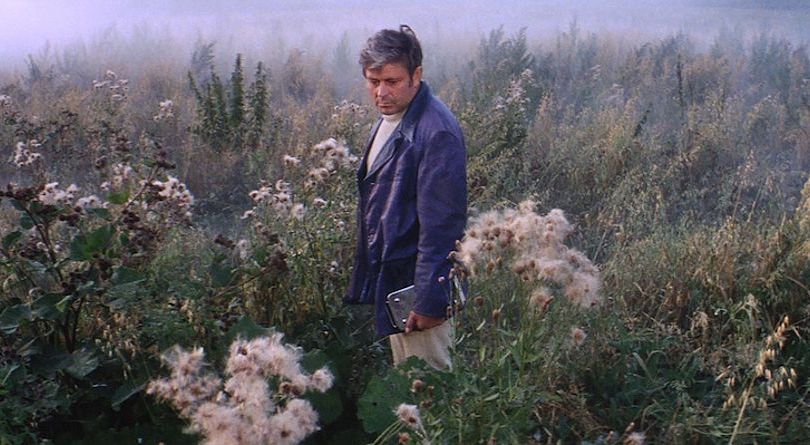
Stalker and Solaris are Andrei Tarkovsky‘s two science fiction masterpieces. I watched these within the same month as the first toe I dipped into the deep water of Tarkovsky’s intimidating filmography, so I tend to subconsciously lump them together as spiritual companion pieces. They’re both breathtaking masterpieces in their own right. Like many of Tarkovsky’s films, Stalker and Solaris are slow, introspective meditations on expansively broad concerns of mankind, unrivaled in the spirituality of their pure visual splendor. Both films gave me an overwhelming sense of existential confusion, in a way that no other director has been able to conjure. Though their runtimes are daunting and their paces snail-like, viewing them quietly and without distraction is probably the closest I’ve had to a religious cinematic experience.
2. Cries and Whispers
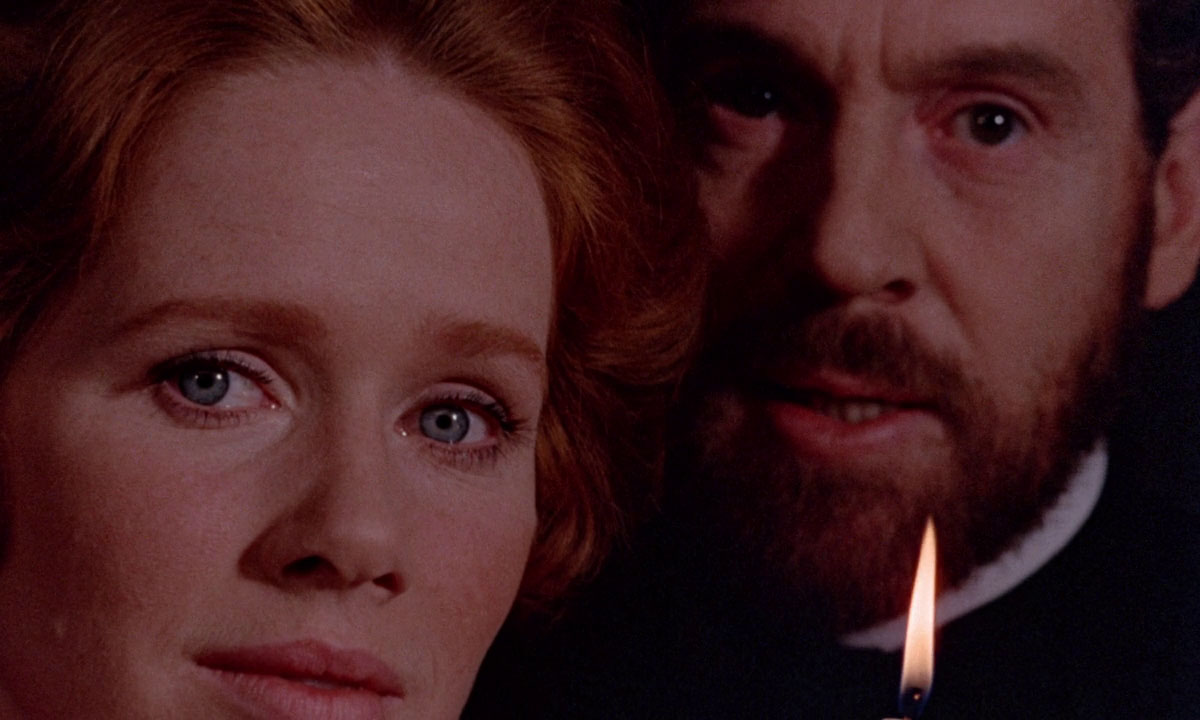
Cries and Whispers was my first Bergman, and it pretty much destroyed me. It’s an utter masterpiece in how it explores the conflicting triviality and personal significance of death. The film follows Agnes, a young woman who is dying of cancer. For anyone who has gone through the loss of a loved one, the film is tremendously difficult to watch. In addition to showing death as plainly as I’ve ever seen depicted in film, it hammers home how fundamentally averse we are to it. All of the characters but the maid regard Agnes with a startling indifference and even cruelty, precisely because she’s dying and they don’t know how to handle death. There’s a dreamlike moment near the end where Agnes’ offscreen corpse calls out to each of her sisters, but they both run away from her cold, pleading arms out of instinctual morbid fear. What a devastating film.
1. Bicycle Thieves
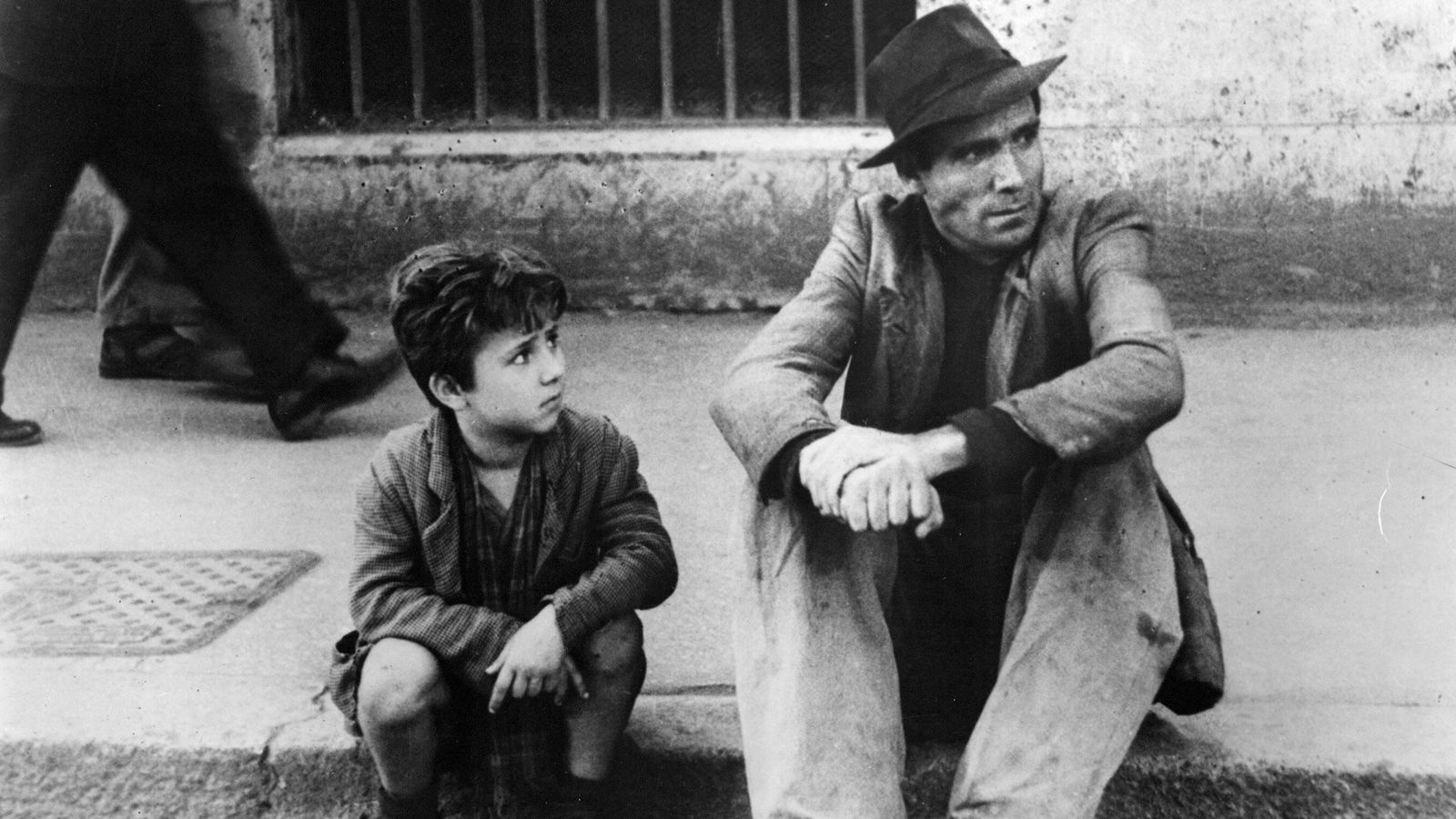
Roger Ebert famously christened movies “the most powerful empathy machine in all the arts”. To me, no other film embodies that statement quite like Vittorio de Sica‘s 1948 neorealist masterpiece Bicycle Thieves. The film is a heartbreaking- but never melodramatic- tale about an impoverished father and his son trekking through the streets of Venice in search of his stolen bicycle. The stakes are high: without his bike, the father is jobless and his young boy Bruno will go hungry. Captured plainly and devoid of Hollywood flourishes, Bicycle Thieves is astounding precisely because of its technical simplicity and blunt emotional resonance. The ending is hands down my favorite in any film. It’s remarkably restrained, but if you have any heart at all it will be snapped in two with one look at the broken faces of Bruno and his father. Bicycle Thieves is a masterpiece of grounded, humanist filmmaking, and I can’t think of any better Criterion entry to claim the top of my list.
Discover more from Cineccentric
Subscribe to get the latest posts sent to your email.
 Cineccentric
0 comments on “Ben McDonald’s Top 10 Criterion Films”