
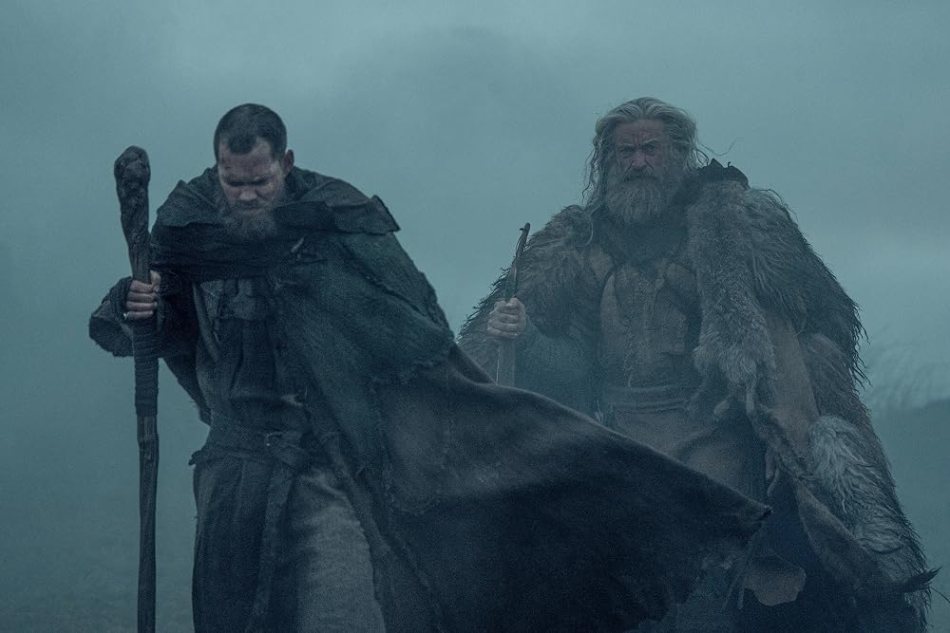
In pop culture, Robin Hood is primarily known for robbing the rich to give to the poor with his band of outlaws. The image that typically comes to mind is a kind-hearted man in green, fighting against injustice by morally gray means. Michael Sarnoski‘s depiction of the bow-wielding outlaw in The Death of Robin Hood is the furthest thing from this image. Rather than showcasing the morally ambiguous nature of the legend, this film opens with a cold and absolute judgment: Robin Hood is no hero. He’s an outlaw who robbed and killed without remorse for a lifetime and told lies of heroism to get fools to join him in his crimes. The Death of Robin Hood is incredibly grim and atmospheric, but it explores themes of guilt, redemption, and mercy in an unforgettable way.
The story opens with an aged Robin Hood (Hugh Jackman) camping in lonely, foggy hills. He’s constantly pursued by the kin of countless people he put in the earth throughout his many years of murder and theft. Little John (Bill Skarsgård), a former member of Robin’s band of outlaws, reunites with Robin to propose a job. John’s wife, daughter, and property have been taken by men who uncovered him as a killer and a thief. However, the simple job of reclaiming John’s stolen land will bring about new enemies and start the cycle of revenge anew. Robin’s death wish becomes apparent through a gruesome struggle, as he charges headfirst into battle with whatever opponent appears the strongest. However, when Robin is brought within inches of the final respite of death, John saves him, to Robin’s despair.
Robin awakes in a priory on a secluded island, robbed of the violent demise he had wanted. Sister Brigid (Jodie Comer), the prioress, is was able to nurse him back to health. However, he has a long recovery ahead of him as he can barely walk and cannot even draw a bow. Shortly after Robin’s awakening, John’s daughter, Little Margaret (Faith Delaney) is brought to the priory. With Little Margaret newly alone, Robin is the only familiar face she can trust in a frightening world. Robin, assuming a false identity at the priory, begins to feel sparks of humanity shine through his exterior toward Little Margaret and the gentle prioress. Burdened by the guilt of his troubled past, the idyllic priory offers Robin a chance at redemption for his injustices.
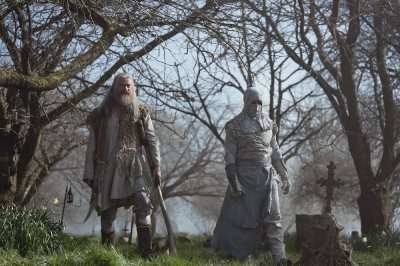
Hugh Jackman delivers a strong performance in The Death of Robin Hood, excellently capturing the immense burden that Robin Hood carries. The film showcases great physical storytelling with his character. In the beginning, he wears a massive coat of furs and is often dirty or muddy, representing both his power and the stain of his violent life. When he is weak and feeble from his injuries, he looks small and bare as he is forced to live at the mercy of others. At a time when he seeks forgiveness, he is clothed in all white, representing the purity that comes with his repentance. Throughout Robin’s internal turmoil, Jackman’s expressiveness brings the struggles of the tormented outlaw to life.
The Death of Robin Hood is a beautiful movie. The film features many ambient scenes in which the rolling hills and isolated islands of Northern Ireland showcase a tranquil beauty that contrasts well against the formidable ferocity of Robin. Additionally, the score by Jim Ghedi features gentle folk-inspired orchestral compositions, elevating some scenes to a near transcendental experience. While the atmospheric nature of the film works well with the solemn nature of the themes, there are times when it can detract from the viewing experience. The dialogue is sometimes sparse during the film, and the dialogue that is present is sometimes difficult to understand due to the thick regional accents. The hypnotic effect of the ambience and the occasionally minimalistic dialogue can result in scenes acting more like a lullaby than a contemplative vignette.
The central dramatic question of The Death of Robin Hood revolves around the guilt of Robin Hood. It asks what redemption for a person who has caused immeasurable suffering could look like. It questions the cycle of violence and revenge that happens in the name of justice. And most dramatically, the film is a study of what forgiveness and mercy look like in the most extreme of circumstances. There is little to no levity in the story; it is a solemn investigation of a man who would rather die than carry the burden of the countless nameless and faceless lives that he has taken. Robin Hood chose a life of violence, and the price he pays is being forced to kill repeatedly as people hunt him down to seek vengeance. Robin knows the only way out of this cycle is his death. However, at the tranquil priory full of the meek, Robin is given a chance at redemption. There are moments when Robin has the opportunity to resolve conflicts through the violent means he knows or through a new way of grace. In the first act, the film is primally violent and gruesome, but in the latter half, it is a gentle and tender observation of how this expression of grace can change a person.
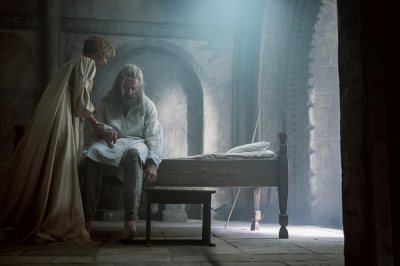
There is no happily-ever-after in The Death of Robin Hood, that much may be obvious from the title. In this film, the final act frames peaceful death as the mercy that Robin had been seeking, a release from the shackles forged by his own violence. There is a character that thanks Robin for the monstrosities he inflicted on them, because out of the ashes of despair, a beautiful life blossomed. This moment is the emotional climax of the film, a subtle gesture towards divine providence of the beauty and goodness that may come from horrific human acts and consequential suffering. However, where the film had an opportunity to tell a story in which repentance can bring rebirth, it instead undercuts Robin’s positive character development by mistaking death for mercy. After spending much of its second half imagining grace as humility, care, and self-denial, the film’s final movement narrows mercy into mere release from suffering.
The Death of Robin Hood is a poignant and provocative story from Michael Sarnoski. While the imaginative retelling of a classic story showcases incredible performances and a moving arc, the film will likely not have universal appeal. Its themes are too heavy and bleak for general allure and the atmospheric nature combined with the occasionally sparse dialogue may leave some theatergoers more sleepy than entertained. However, The Death of Robin Hood explores important themes with a deep reverence. Despite its bleakness, the film successfully uses the well-known character of Robin Hood to tell a dark but occasionally beautiful story of redemption.
Discover more from Cineccentric
Subscribe to get the latest posts sent to your email.


0 comments on “The Death of Robin Hood ★★★”