
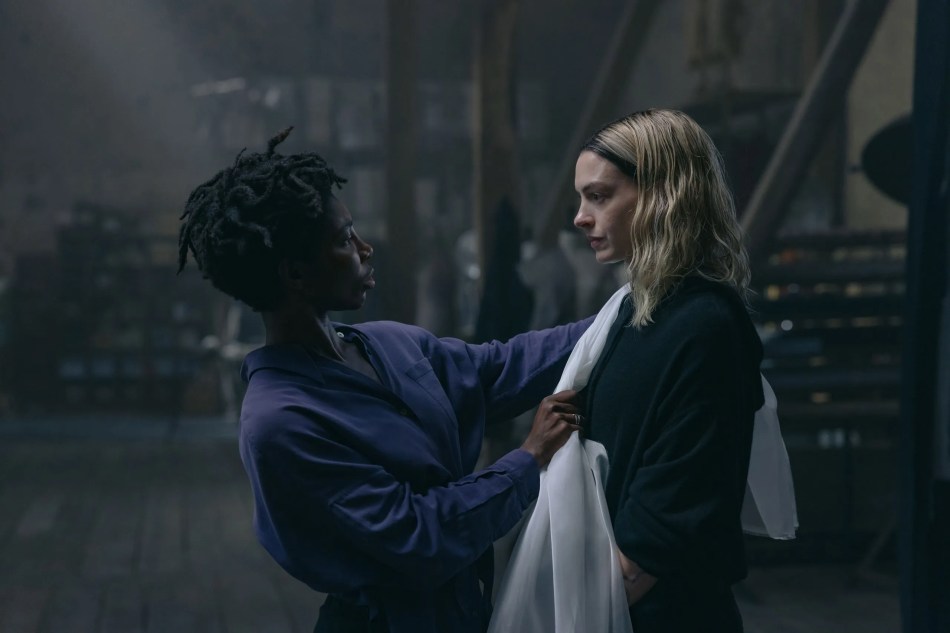
David Lowery’s Mother Mary is a fascinating picture. For much of its runtime, it is a challenge. It does not reveal itself too readily, leaving one wondering where the film is headed. Mother Mary (Anne Hathaway) is a pop star. Celebrated and beloved, Mother Mary is embarking upon her comeback tour and she needs a dress. Nothing feels right. Her team of stylists have given her a dress that, as she says, “Does not feel like me.” Desperate for the right fit, she turns to old friend and famed designer Sam Anselm (Michaela Coel). Their reunion is chilly. Their past is fraught with betrayal and frayed affection. Mother Mary forces her way into Sam’s studio and marches up to her office, standing vulnerable and hopeful that her one-time confidant, who truly knows her, would agree to make her a dress at the last minute. After some consideration, Sam cannot resist.
It would not be untrue to say that Mother Mary is, ostensibly, about the design process for this dress. After their reunion, Sam and Mother Mary go back-and-forth discussing Mother Mary’s vision for it, the song performance it is meant to be worn during, and their troubled past. However, Mother Mary is about so much more. It is about forgiveness, trauma, grief, and guilt. It is about being possessed with hateful and toxic feelings, of the demands of stardom and fame, and of the risk of losing oneself while having the world at their feet. It is about these two women, Mother Mary and Sam, their friendship and their spiritual connection. It is their past, present, and future intertwined, expressed through design and a chess-like conversation of the two of them working around each other, trying to express inexpressible feelings, and trying to work through their shared experiences. Mother Mary, in its first two-thirds, can be a bit distant. It is messy and chaotic with Lowery intercutting concert scenes with this low-key theatre-like dialogue between Mother Mary and Sam about the dress and themselves. It takes a while for Mother Mary to begin revealing itself and once it does and expresses its supernatural elements, it becomes a rather revelatory and fascinating expression of the bond between these two women, what it means to truly forgive and to apologize, and the way that trauma and guilt grips and writhes within a person’s soul. It is easy to connect Mother Mary to Lowery’s past film A Ghost Story, as both explore the spiritual connection between people, though this one is less about a specific place than about shared events and experiences that tie us together. The influence of Olivier Assayas’s Personal Shopper is felt especially in how Lowery approaches the supernatural.
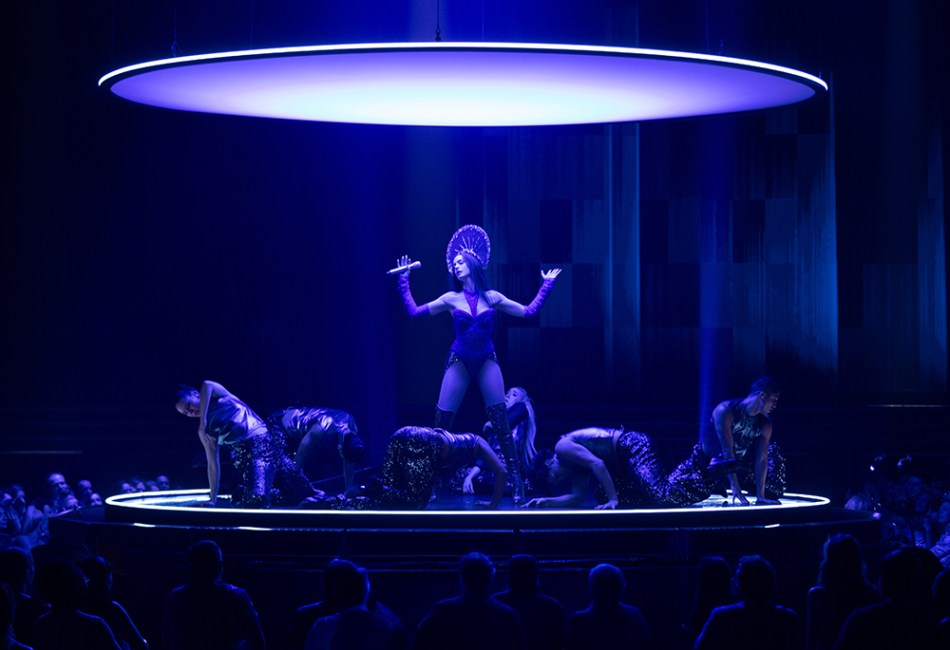
Mother Mary’s subtext and characterizations are rich and entrancing. However, it is the visuals that transform Mother Mary into something truly magnificent. The concert scenes are electric. Hathaway’s performance of the dance numbers and the accompanying music set a perfect tone for the ethereal and magical realist inclinations of Lowery’s tale. Lowery flips the showy concert scenes on their head at times with grainy and often out-of-focus footage of some sequences, most notably of an incident that occurred at Mother Mary’s final concert before this new comeback tour. It is the epitome of her trauma and pain, a believed suicide attempt on stage that she explains as an accident caused by something that truly nobody can understand but her. The image is haunting and when replayed in clearer focus, and intercut with POV shots of what Mother Mary was seeing on stage, Lowery – who also edited Mother Mary – paints an even more chilling and spiritual picture.
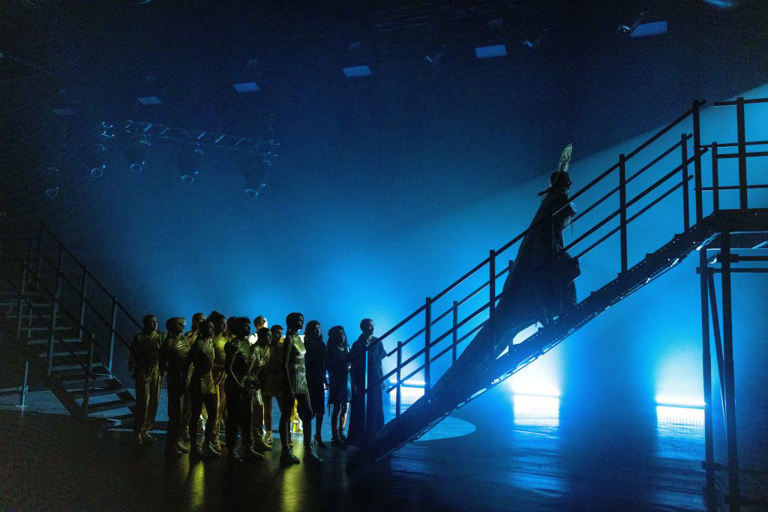
Mother Mary is mostly set in the barn warehouse where Sam works. There are plenty of well-executed two-shots, close-ups, and mediums, as they discuss this dress, concert, and their past. It really sparks into wonder on stage, but there are a handful of scenes that really catch the eye in the barn. A dream-like vision of an angelic Mother Mary floating down to Sam in a past Joan of Arc-like outfit Sam had designed for her is striking, the very image of how Sam sees her and feels her presence, then it cuts back to the sad and heavy Mother Mary in the present standing before her. She is so unlike that other presence, weighed down by everything of these past few years, and yet still her, just needing Sam to draw her back out. Each of the supernatural scenes are striking with the imagery around this entity that exists in Mother Mary stirring, coupled with some great gore effects. However, perhaps the best sequence in Mother Mary is a montage of Mother Mary performing. She rises up the stairs to the stage triumphantly then exhaustedly descends after the concert. The scene is repeated a few times, her initial steps less triumphant each time and her descent even more marked by exhaustion. It feels like a likening of the life of a pop star to Sisyphus pushing the boulder up the hill. Every night, Mother Mary gives everything of herself, losing herself in the process, and destroying herself. She has plenty of money as a reward, but the individual has been crushed and, as she confesses to Sam, all she has in the world to give anybody is her songs and her money. She has no perceived self-value otherwise. Lowery previously showcased his strength in showing the passage of time in A Ghost Story, exploring that theme not only in the relationship dynamics between Mother Mary and Sam, but through this montage where one can feel the weight of each passing day added onto Mother Mary’s shoulders.
Hathaway and Coel are terrific together. Hathaway feels stripped down and raw in Mother Mary. She carries that sadness of Mother Mary in her eyes, the weight of the world and the heaviness of her halo – Mother Mary’s trademark is a halo she wears on stage, something that Mother Mary notes physically hurts now – at all times. The contrast to the radiance and energy Hathaway exudes on stage and in flashbacks paints a picture of the evolution of Mother Mary from the pinnacle of pop star brilliance to this broken woman standing before Sam, hoping to re-kindle something that she had long ago tossed away. Coel and Hathaway share a great chemistry with Hathaway’s vulnerable and emotional performance countered by the same from Coel, albeit in a very different way. Coel has a very probing way of delivering lines, a wry humor tucked away in there, and when she casts away this pretense and layer of emotional skepticism, she reveals the very deep and emotional person lurking within Sam. She was deeply hurt by Mother Mary’s past actions and the fracturing of their friendship, something she carries with her everyday. Seeing Mother Mary back in her studio is like seeing a ghost, complete with every emotional implication. Coel does not express Sam’s raw emotionality in the same way Hathaway expresses Mother Mary’s, but it nevertheless is there with there being a richness in the very human and contrasted way these two women work and express themselves. They are both artists, after all, and they often communicate through their art. Mother Mary sings and writes songs and Sam sews and conceptualizes dresses. One is very vocal and the other contemplative. The dynamic is fascinating to watch unfold and wonderfully expressed by the leads.
Mother Mary can be a bit challenging at times. At first blush, Mother Mary is a bit chilly and cold for too long to fully endorse it as a great film. Nevertheless, there is a richness and a thoughtfulness in its exploration of its many themes and concepts that leave one twirling these ideas in one’s mind long after Mother Mary ends. As with Lowery’s The Green Knight, it feels like a folk tale of sorts with Lowery spinning a fascinating yarn of ghosts, trauma, and forgiveness. Stunning visuals, gorgeous choreography, and two captivating performances from Anne Hathaway and Michaela Coel anchor Mother Mary, making it a challenge worth taking and a film that rewards those who are willing to contemplate and let Mother Mary’s ideas take hold.
Discover more from Cineccentric
Subscribe to get the latest posts sent to your email.


0 comments on “Mother Mary ★★★”