
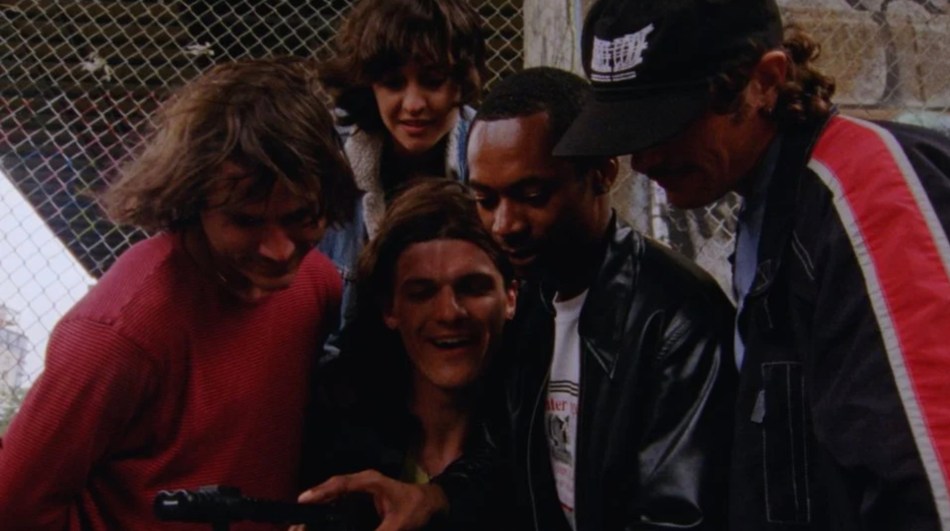
Some films breathe so intensely the air of one specific film festival that they—in any sense of the word—feel made to be screened there. This, however, would lend an uncomfortable and undeserved stain of calculation to Erin Vassilopoulos‘s charismatic sophomore feature. Its sensitive story of suppression, self-destruction, and skating has the vibe and visuals of a classic Sundance entry: a road movie about a rugged queer heroine from a working-class family hit by tragedy, with a touch of love on the run (though it’s only a missing person’s report) told in grainy handheld images driven by a congenial soundtrack.
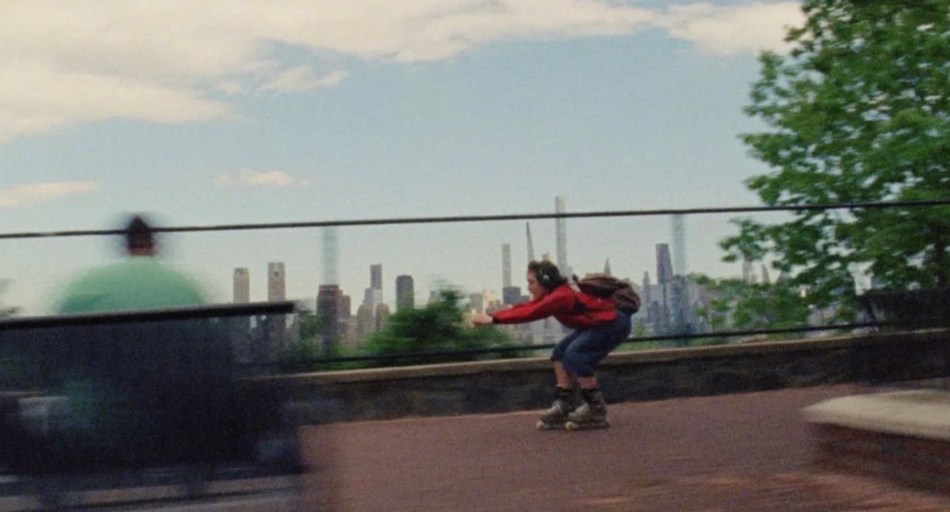
The latter becomes an essential element of a story where conversations are rare and ironic chatter is often drowned in music, some of it diegetic, some added in the background by Boris Krichevsky and sound designer Eli Cohn. Their seamless integration of a playlist with a wistful vintage feel links the scenario to Vassilopoulos’s former music videos. This dreamy flair emphasizes the psychological and practical withdrawal of young Alex Martinez (the excellent Ani Mesa-Perez, who starred in the director’s debut feature Superior). She has that look in her eyes, remarks her older brother Gabriel (Gil Perez-Abraham) as he gives her his rare pair of old-school inline skates.
On these he’s gliding through New Jersey in the flashback opening shot, showing his skating skills while looking out for his sister who loves both skating and capturing impressive moves with her Mini-DV cam. But its clips become a painful reminder of shattered potential in the present day, where Gabriel is almost completely paralyzed from the neck down. Their conservative mother (Florencia Lozano) clings to the past and unrealistic hopes for healing while Alex devotes herself to caring for her brother, now dependent on opioids against his physical and psychological pain. A chance encounter with ambitious skater Cameron (Dominic Bruce) and his crew follows.
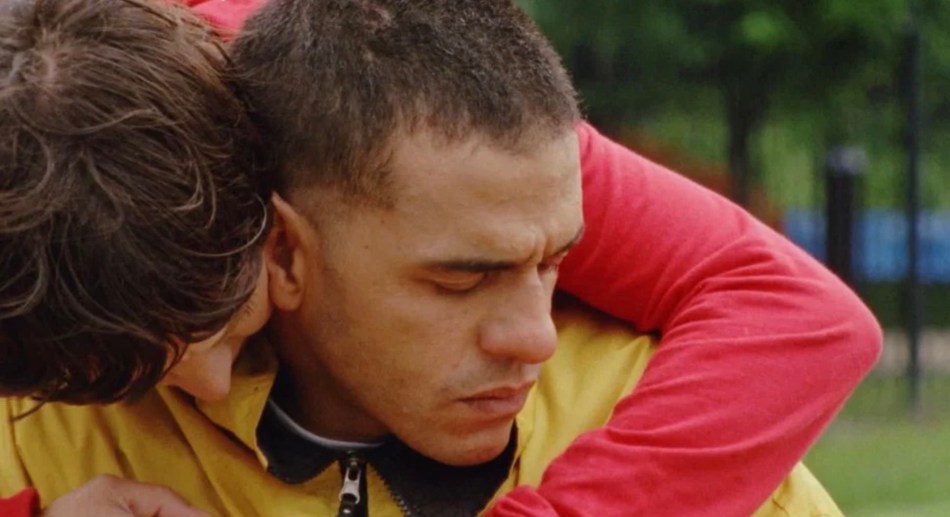
Vassilopoulos and co-screenwriter Mesa-Perez subtly imply the gender-nonconforming protagonist is more enthralled by his skating tricks and physicality but hasn’t found another way to express it. Her spontaneous escape with the guys on the lookout for sponsorship starts like a happy ending to another kind of story. But running away with the anarchic skater clique in their old bus is no long-term solution. While her affection reveals first cracks, it also gradually pushes Alex into a straight female presentation that isn’t really her. Mixing street-cast skaters with a few professional actors underlines the unique dynamic of differences between Alex, Cameron, and his handful of friends.
Grainy 16mm format and Alex’s first-person perspective through her mini-cam evoke early 90s looks and cinematic characteristics so vividly that the mobile phones become a sudden reminder of the plot’s contemporariness. Feeling simultaneously meticulous and effortless, the energetic tale presents familiar allegories and narratives from a new perspective, imbuing them with a unique atmosphere and mood. Alex’s geographical exploration of new places becomes a metaphor for her exploration of her own identity, emotionally, artistically, and in terms of gender. The rough-cut indie gem, reflecting on different kinds of escapes and traps, wouldn’t stand out at Sundance, but at Locarno’s Concorso Cineasti del Presente it can truly shine.
Discover more from Cineccentric
Subscribe to get the latest posts sent to your email.


0 comments on “Destroy All Girls ★★★★”