

“The reality is a nightmare,” Laura Poitras said in an interview about her spectral short film, premiering out of competition at the 81st Venice Film Festival. The Oscar-winning director and producer does this bitter fact justice by shrouding the grim reality of the kidnapping and abduction of migrant residents in the US by ICE in the style of genre cinema. The documentary itself is only 25 minutes, but that is enough for the unsettling account of the ICE enforcement surge in the wintry Minneapolis of 2024. This year the deportation rate of migrant citizens increased over 70 per cent, fuelled by the brutal tactics of the Trump administration.
The reality behind these numbers Poitras and Minneapolis-based journalist Rachel Lauren Mueller reimagine as a dystopian thriller, a sci-fi horror story that would serve as an eerie warning, had it not already become a daily routine. Shot around Minneapolis, the events are guided by the testimony of Edén Villa (the pseudonym of a local migrant worker). To get to work he has to hide in his trunk because it would be too risky to drive on the streets stalked by masked ICE agents. Mueller’s camera view takes on the hunting perspective of the agents, whose military gear and face covers make them all the more intimidating.
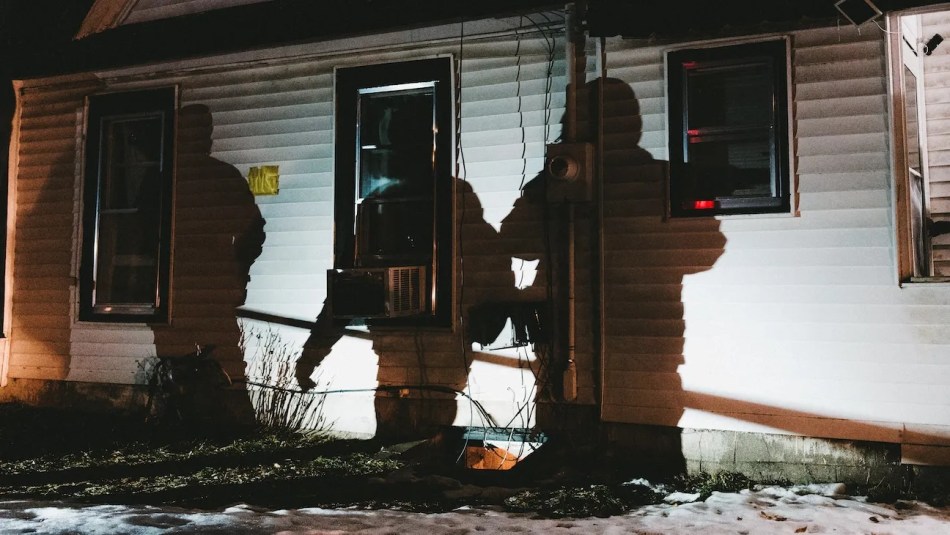
The American Nightmare
Villa’s Spanish off-commentary recounts the scare tactics employed by ICE as a form of psychological warfare against innocent people, men and women trying to make a living. Families. Kids. It doesn’t take much to turn the devastating scenes of agents dragging people into their cars and hauling them in shackles on board planes. White US citizens at the airport gaze on, less upset about the essential abduction of their fellow citizens than about the flight delays caused by ICE operations. Snow-covered sidewalks and freezing temperatures become an analogy of the emotional coldness towards cruelty, mistreatment, and even death. ICU nurse Alex Pretti and poet and mother Rénee Nicole Good are only the two most prominent cases.
Dashcam footage and crowdsourced data visualizations map out the network of residents’ resistance against ICE, a flicker of hope in the terrifying scenario. It only takes Alessandro Cortini’s sonorous soundtrack and a few shots of the agents’ sinister shadows or the ominous sight of an enforcement vehicle to turn sober documentary footage into a genre film. Horror is already ingrained in the events, observed with equal precision and determination. Bureaucratic structures and institutional procedures become subordinate to the immediate human consequences and an overwhelming sense of dread. Visually forceful and politically urgent, the concentrated chronicle is both witness to and an artistic weapon against the politics of terror.
Discover more from Cineccentric
Subscribe to get the latest posts sent to your email.


0 comments on “They’re Here (short film) ★★★★”