
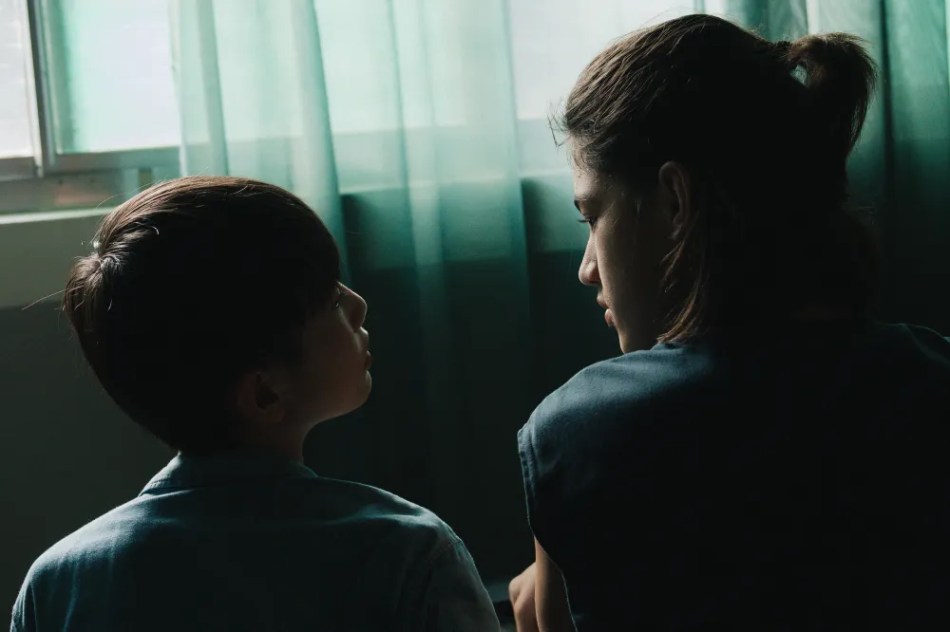
Economic and ecological priorities are at the core of Lu Po-Shun‘s classic but also a tad conventional coming-of-age tale of two teenage boys from different sides of the timely conflict. The question of what’s more essential, the transition to sustainable energy sources or securing the livelihood of the local people, hovers over the newly established friendship of 13-year-old Jun (Jaden Wang) and the slightly younger Jasper (Aloysius Looi). Though tactically encouraged by Jasper’s father (Andie Chen), who recently moved to the small Taiwanese fishing village from Singapore on behalf of his solar power business, their bond is eyed with suspicion by Jun’s group of friends and local adults alike.
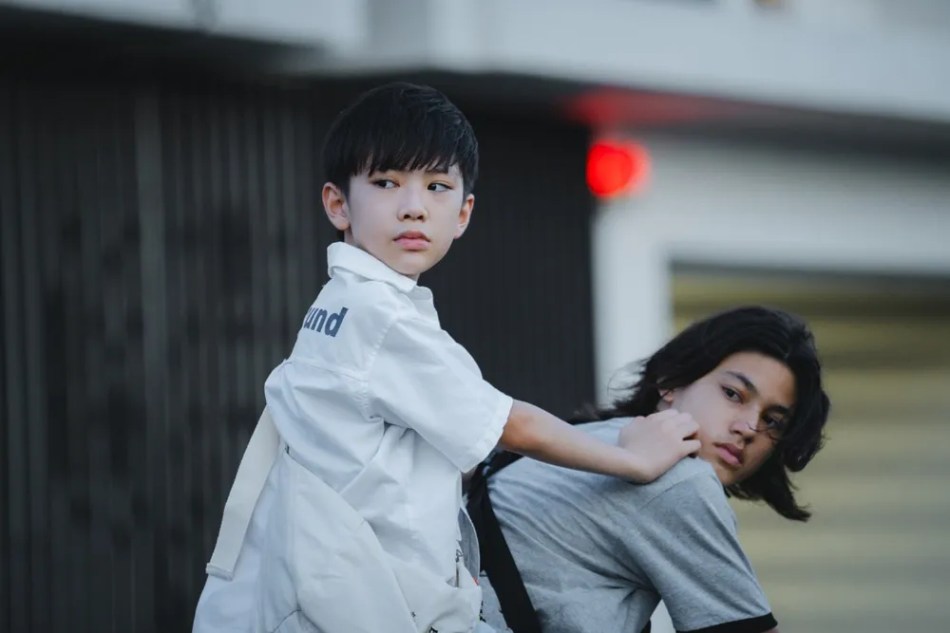
While this scrutiny springs from the fishing community’s wariness of the solar business threatening to disrupt the area’s most important and only reliable source of income, it further complicates the boys’ growing emotional closeness. There are hints of romance but director-writer Lu keeps things vague, maybe because queer themes are still often seen as “adult,” but maybe also to not add another complicated issue to an already near-capacity plot. Its focus is lightly shifted in favor of Jun who is more conscious of the adult animosities and business arrangements about to change his small world forever. As the grandson of the village chief (Lung Tien-hsiang), who agreed to the solar energy project despite widespread doubt.
Jun is supposed to continue in his grandfather’s position in time, but doesn’t seem too sure if he even wants that kind of obligation and permanence. Jasper, on the other hand, longs for consistency and a break from constantly changing homes, schools, and friends. This juxtaposition of the contrasting dreams of the new kid in the area and the kid who never got out of his world is a familiar scenario to which the predictable plot adds a well-worn dramatic dynamic. What makes this variation worthwhile are the increasingly acrimonious disputes over the conversion of local land and fishing grounds into solar farms. It’s a debate clearly shaped by class privileges.
Tellingly, Jasper’s father pursues the solar project for the very same reason the fishing community opposes it: money. He directly profits from the sustainable progress, allowing him to feel superior to the working-class folks from the village, both socio-economically and morally. In contrast, Jun’s father is left with the choice of either endangering his community or the nature they depend on. Meanwhile, the question of how ecological the process of land conversion actually is remains overlooked. This goes even more for the marginalization of female characters, of whom Jun’s grandmother (Lu Yi-Ching) is the only relevant one.
Ironically, the patriarchal perspective mirroring the older generation’s social structures is one more example of the inherited conflicts the characters struggle with. Economic pressure and collective loyalties burden the parents, just as their sorrows and adversaries trouble the teenagers. Their genuine care for one another, whether romantic or platonic, is a melancholic symbol of their last moments of childhood innocence and naivety to which no one can cling forever. Modest in its visual realization, a little too timid and conventional, Will You Still Be My Friend is carried by the talented young lead actors’ natural performances and heartfelt concern for its timely themes.
Discover more from Cineccentric
Subscribe to get the latest posts sent to your email.


0 comments on “Will You Still Be My Friend ★★★”