
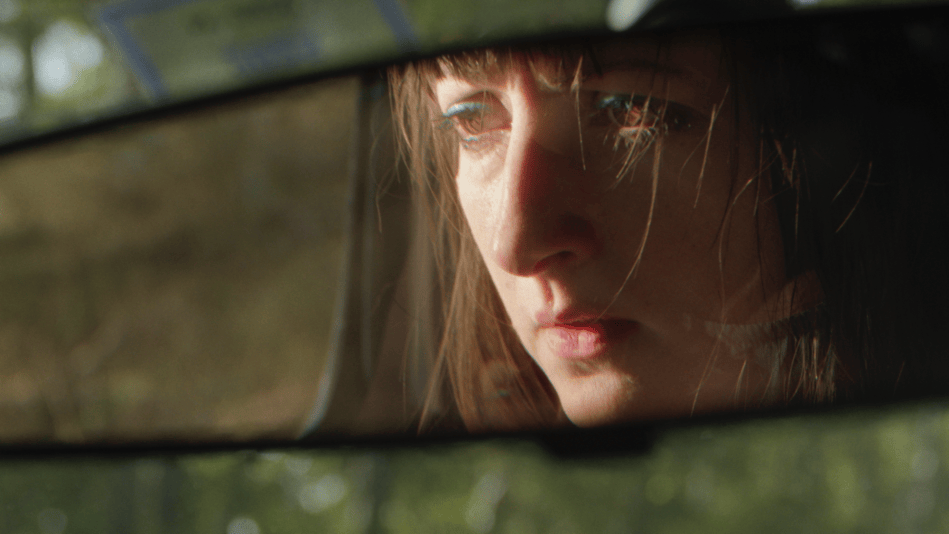
A certain kind of eclectic ennui seems ingrained in Federico Francioni and Samuele Sestieri‘s meandering montage of its prototypical protagonist’s search for fulfilment. An actress on the brink of mid-life crisis, Chiara (Carlotta Velda Mei) wanders through the Roman cityscape, unable to hold on to any permanent personal and professional engagement. For more than two hours the director-duo follows their female figment of male fantasies of erotic discontentment and narcissistic neediness through a precarious succession of jobs, fleeting experiences, performances and emotional displacements in a Rome at once physically obtrusive and optically surreal. Their character’s romantic restlessness ultimately becomes a coincidental cinematic chiffre for their own dramatic disorientation.
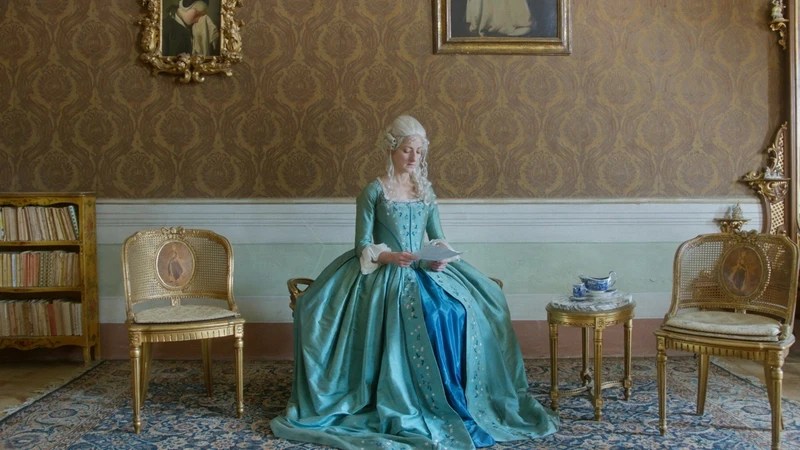
The urban topography with its ancient ruins and dilapidating modernism points towards a social state of decay that may itself be the cause or another reflection of Chiara’s psychological proclivities. She looks for tenderness and closeness on a personal level, but all she finds are short-lived physical trysts. Then again, just like the equally precarious personalities she brushes past, the ageing actress seems perpetually driven to the next halt in her neurotic journey. Physical sensations serve as a substitute for an existential interpersonal deficit that is never clearly defined or explored. Profession and personality overlap as Chiara adapts the various personalities of waitress, model, tourist guide, and sexual fantasy object.
Over the course of the episodic story she constantly transforms without ever truly inhabiting any of the emblematic identities. Thus, her mental state turns into a parallel of her erratic existence. But such superficial symbolism merely scratches the surface of social alienation and postmodern performativity. Francioni and Sestieri aestheticise their protagonist’s precarious situation just like they discreetly sexualise her physique. As an erotic embodiment of woman as a socially shifting seductress, behind her repertoire of roles she stays always the same. This goes also for her trivial adventures. Despite their superficial differences, they quickly become repetitive as they illustrate time after time the socio-psychological premise.
None of the people she encounters goes beyond a signifier of her desire to feel real and seen by others. Why Chiara needs any such validation in the first place is never made clear. The lack of relevant character development is reflected by uneven attempts at formal unconventionality. Lazily recreated realism becomes its own form of theatrics. Their lively background is the busy tourist spots which contrast with its emotional emptiness. Chiara’s private instability finds its architectural analogy in anonymous interiors and crowded streets where she looks for the next real-life stage. Mei’s insecure performance seems at odds with her character’s outward confidence, while meta-textual hints remain indecisive.
Halfway through their story, the directors stir in elements of cinéma-vérité, as if they had themselves realised that what they have so far isn’t particularly engaging. But such dramatic manoeuvres only underline their preoccupation with making their hybrid-drama artsy and modern over creating structure, substance, and psychological plausibility. Economic and existential instability is reduced to a tool of intellectualist entertainment. Precarious circumstances are never really threatening or uncomfortable for the protagonist or the audience. The latter accompanies the main character over the course of several months without ever getting to know her. Eager to say something relevant, and even more eager to say something at all, Chiara’s attention-seeking attitude is merely a pretext for the filmmakers’ hunger for artistic affirmation.
Discover more from Cineccentric
Subscribe to get the latest posts sent to your email.


0 comments on “The Cat Wakes Up and Yawns; Then Love ★½”